
Catch Tripletail in Islamorada FL
Tripletail Fishing in Islamorada - What to Expect
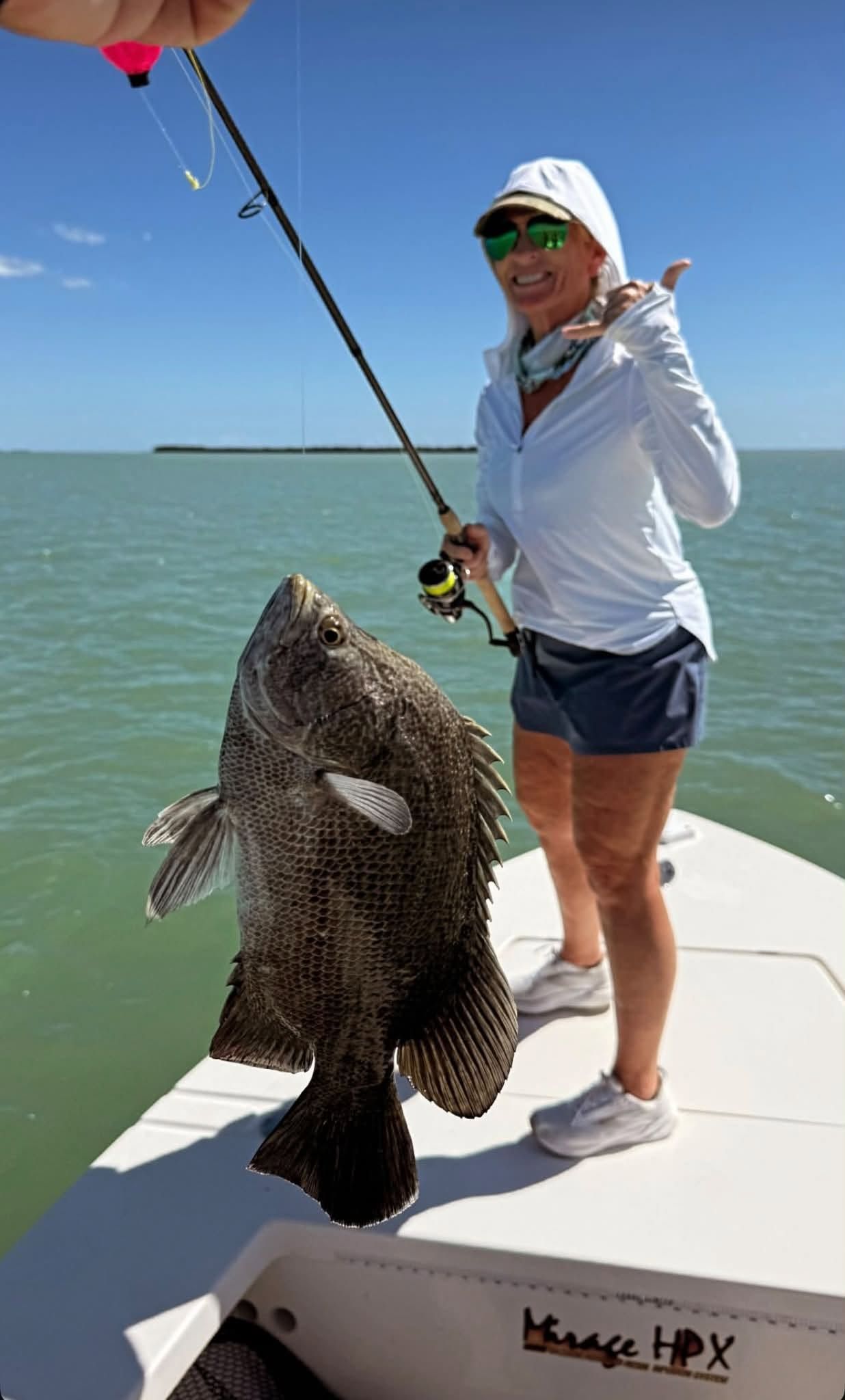
Fishing Charter by Captain Eric Rodriguez in November
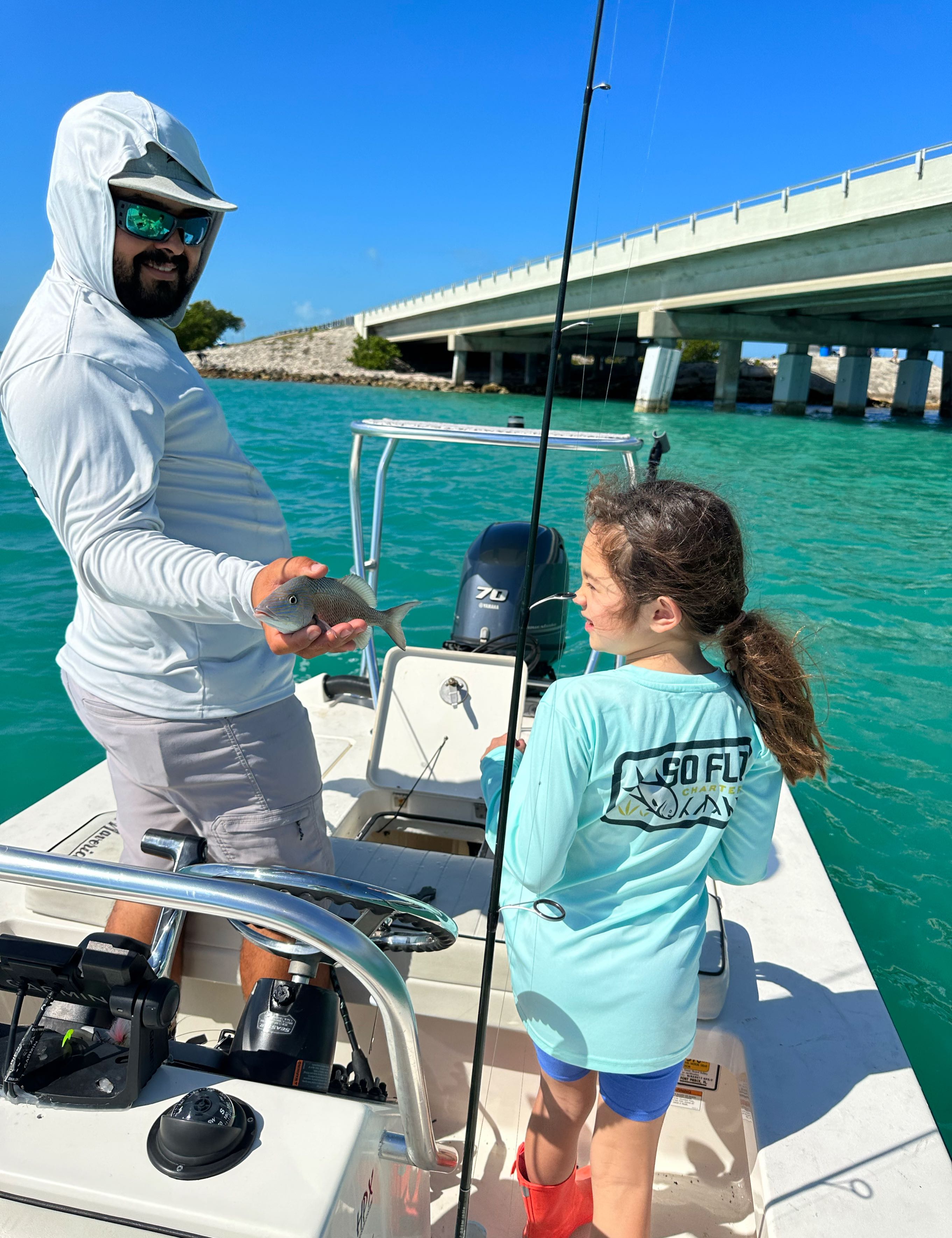
- Islamorada's Premier Catch Experiences


Summary
Tripletail fishing in Islamorada on a Friday in October offers an exciting shallow water fishing charter experience with Captain Eric Rodriguez of SO FLO Charters. These unique fish are perfect for anglers seeking an engaging and rewarding day on the water in South Florida.
Fishing Charter with Captain Eric Rodriguez - Rates & Booking
Captain Eric Rodriguez of SO FLO Charters offers an exciting tripletail fishing charter experience on the waters around Islamorada. This is the perfect outing for anglers looking to target one of Florida's most unique and feisty fish species. Captain Eric brings years of local expertise and knows exactly where and how to find these fish in the shallow waters of the Keys. His professional fishing charter includes all the gear you need to get started and a day packed with action and technique. To book your tripletail fishing adventure, reach out to SO FLO Charters and reserve your spot for an unforgettable day on the water. View rates and availability today to plan your Islamorada fishing trip.
Highlights of Your Tripletail Fishing Charter
Tripletail fishing in Islamorada is an experience like no other. These fish are visual hunters that often suspend near floating debris, seaweed lines, and structure in shallow waters. The thrill of spotting a tripletail and making a perfect cast creates genuine excitement on every trip. Captain Eric knows the best spots around Islamorada and the seasonal patterns that bring these fish into prime fishing grounds.
The shallow water environment near Islamorada is ideal for spotting and stalking tripletail. You'll experience the full range of South Florida fishing - from clear flats to deeper channels - all within reach of the charter. The combination of challenging casting, visual hunting, and hard-fighting fish makes this one of the most engaging days you can have offshore.
Local Species Insights: Tripletail
Tripletail are one of the most interesting fish species in South Florida waters, and they're particularly abundant around Islamorada. These fish are named for their distinctive three-lobed tail and are known for their aggressive strikes and acrobatic fighting style once hooked. What makes tripletail so special is their behavior - they're visual predators that hunt near the surface around floating objects like sargassum, debris, and structure.
These fish thrive in the warm, shallow waters around the Keys and are most active during fall and spring months. In Islamorada, tripletail can be found in depths ranging from just a few feet to about 40 feet of water. They're incredibly strong for their size and will test your patience and skill. The beauty of tripletail fishing is that it combines sight casting - spotting the fish before you cast - with the explosive power of a solid hookup. On a typical day with Captain Eric, you'll spend time cruising likely structure, keeping your eyes open for feeding tripletail, and executing precise casts to trigger strikes.
What makes Islamorada such a prime tripletail destination is the mix of habitat types. The shallow flats, mangrove channels, and deeper edges create a perfect environment where tripletail hunt throughout the day. These fish are efficient hunters, often holding tight to cover and waiting for baitfish to come within striking distance. When you connect with a tripletail, you're in for a memorable fight - they're known for head-shaking runs and hard pulls that make them a blast to battle on light tackle.
Plan Your Tripletail Fishing Day
A typical tripletail fishing charter with Captain Eric starts early to take advantage of prime feeding windows. You'll spend your day searching shallow structure, flats, and edges where tripletail are actively hunting. The fishing is a mix of active spotting and strategic casting, so bring your focus and your enthusiasm. Weather permitting, you could encounter multiple opportunities throughout the day. All tackle is provided as part of the charter, so you just need to bring your energy and willingness to learn the techniques that make tripletail fishing so rewarding. Whether you're an experienced angler or relatively new to fishing, Captain Eric will guide you through the process and help you understand what makes tripletail tick.
Fishing in Islamorada: Tripletail

Tripletail Overview
The Tripletail (Lobotes surinamensis), belonging to the family Lobotidae and order Perciformes, is a fascinating medium-sized saltwater game fish that's rapidly gaining popularity among anglers across North America. Known scientifically as the Atlantic Triple Tail, this species gets its distinctive name from its three rounded fins—the caudal, anal, and rear dorsal fins—which give it a unique silhouette in the water. With an olive-colored body adorned with dark or white blotches and a remarkable ability to change colors for camouflage, the Tripletail is one of the ocean's most intriguing and underrated game fish. What makes this species particularly special is its combination of acrobatic fighting ability, excellent eating quality, and the challenge it presents to sight-casting anglers. Whether you're fishing in Florida, Massachusetts, or Texas, encountering a Tripletail is an experience that keeps anglers coming back for more.
Tripletail Habitat and Distribution
Tripletails thrive in tropical and subtropical waters around the world, preferring water temperatures above 69.8°F. In the western Atlantic, their range stretches impressively from Massachusetts all the way down to Argentina, making them accessible to anglers across a wide geographic area. These solitary yet sometimes schooling fish inhabit depths ranging from near-surface waters up to 210 feet, though they're most commonly found near the surface where sight-casting anglers can spot them. The species makes small north and south migrations from April to October, following seasonal temperature changes and food availability. You'll find juveniles—typically around 1 foot long—patrolling shorelines and gulfs, while adults prefer offshore waters and bays. Though primarily a saltwater species, Tripletails occasionally venture into estuaries and river mouths, adapting to brackish conditions. Prime fishing destinations for this species include the coastal waters of Massachusetts, Florida, Mississippi, and Texas, each offering unique opportunities throughout the year.
Tripletail Size and Weight
On average, Tripletails measure around 18 inches in length and weigh between 2 to 13 pounds, making them manageable yet respectable catches for most anglers. However, these fish can grow substantially larger under optimal conditions, reaching up to 3 feet in length and weighing as much as 40.8 pounds for truly exceptional specimens. The maximum sizes you're likely to encounter in most fishing scenarios range from 18 to 36 inches, with weights typically between 2 and 20 pounds. What's particularly impressive about this species is their rapid growth during their first year—a remarkable adaptation believed to help them quickly outgrow predators and establish themselves in their marine environment. This accelerated juvenile growth means that even younger fish can provide excellent sport and challenging catches, making Tripletails accessible to anglers of varying skill levels.
Tripletail Diet and Behavior
As opportunistic carnivores, Tripletails are aggressive feeders that actively hunt shrimp, crabs, and baitfish throughout their active periods. Their feeding behavior is characterized by ambush hunting, where they position themselves near floating vegetation, weed lines, and structure to intercept passing prey. One of their most fascinating defensive and hunting behaviors is lying on their sides to mimic floating weeds or debris—a clever camouflage technique that helps them both escape predators and surprise unsuspecting prey. These fish are predominantly solitary creatures, though they occasionally gather in small schools, particularly during spawning season or when abundant food sources are present. Tripletails swim primarily near the surface, making them excellent targets for sight-casting anglers who can spot their distinctive silhouettes. Their color-changing ability—shifting from mottled black, brown, and white combinations to solid colors—demonstrates their remarkable adaptability to different environments and light conditions.
Tripletail Spawning and Seasonal Activity
The Tripletail spawning season occurs during the summer months, with peak activity running from July through August. During this period, these fish migrate to inshore and nearshore waters to reproduce, though some populations have been observed spawning offshore as well. The species is active year-round in their preferred tropical and subtropical range, meaning you can pursue them throughout the entire calendar year. Their spring and fall migrations, occurring from April to October, represent ideal windows for targeting these fish as they move between shallow and deeper waters following temperature changes. The consistency of their presence makes Tripletails an excellent target species for planning fishing trips at any time of year, though the summer spawning season offers particularly exciting opportunities when fish congregate in accessible inshore waters.
Tripletail Techniques for Observation and Capture
Sight Casting Method: The most effective technique for catching Tripletails is sight casting, which takes advantage of their surface-feeding behavior and makes them visible to experienced anglers. Position yourself in clear, shallow water and scan weed lines, floating debris, and structure where these fish naturally congregate. Once you spot a fish, the key is stealth—cast away from the target and slowly drag your bait or fly toward the fish, allowing it to ambush your offering. Use a 7 to 9-foot, 8-weight fly rod with 20-pound test line and floating lines since Tripletails rarely dive deep. Hook sizes should range from #2 to 1/0, and effective baits include crabs, shrimp, sardines, and minnows.
Lure and Fly Fishing Approach: Tripletails respond well to squid, shrimp, and crab flies, making them excellent candidates for fly-fishing enthusiasm. These fish are increasingly popular in the fly-fishing community due to their acrobatic nature and willingness to take well-presented flies. Strip your flies in short, enticing movements that mimic natural prey behavior. The key to success is patience and precision casting—rushing your presentation or making loud disturbances will spook these cautious hunters quickly.
Around Florida: The coastal bays and offshore waters near Tampa Bay, the Florida Keys, and the Gulf Coast are prime Tripletail destinations where you can spot them year-round, with particularly strong fishing from July through September when spawning activity brings fish into accessible inshore waters. Local guides recommend checking GPS coordinates around weed lines and structure during early morning hours when visibility is clearest.
Tripletail Culinary and Utilization Notes
The Tripletail has earned a stellar reputation for its excellent eating quality, with many experienced anglers claiming the firm, white meat tastes remarkably similar to Red Snapper or Grouper. The flavor profile is mild yet distinctive, making it a favorite among those who appreciate quality fish cuisine. The meat's firm texture holds up well to various cooking methods—grilling, baking, and pan-searing all bring out the species' natural qualities. Beyond the culinary appeal, Tripletails represent a sustainable fishing choice in most regions where they're abundant, and their rapid growth rate suggests they can support recreational fishing pressure well. When handling these fish for consumption, exercise caution around their razor-sharp gills, which can cause nasty cuts if not respected. Many coastal restaurants and fishing lodges feature Tripletail on their menus, particularly in Massachusetts, Florida, Mississippi, and Texas, where the species holds cultural and gastronomic significance.
Tripletail Frequently Asked Questions
Q: What is the best bait for catching Tripletail?
A: Live or fresh crabs, shrimp, sardines, and minnows work exceptionally well for Tripletail. For fly fishing, use squid, shrimp, or crab patterns in sizes #2 to 1/0. The key is presenting your bait or fly naturally and allowing the fish to ambush it rather than forcing an aggressive strike.
Q: Where can I find Tripletail near Florida?
A: Florida's Gulf Coast, particularly around Tampa Bay, the Florida Keys, and coastal bays throughout the state, offers excellent year-round opportunities. Focus on weed lines, floating debris, and structure in inshore waters, especially during summer months when spawning brings fish into accessible areas.
Q: Is Tripletail good to eat?
A: Absolutely—Tripletail is considered excellent eating with firm, white meat that many anglers compare to Red Snapper or Grouper. The meat's quality and versatility in the kitchen make it a prized catch among those interested in culinary experiences alongside their fishing adventures.
Q: When is the best time to catch Tripletail?
A: While Tripletails are available year-round in tropical and subtropical waters, the summer spawning season (July through August) offers peak opportunities when fish congregate in inshore waters. However, the species is catchable throughout the year with consistent techniques and locations.
Q: What rod and reel setup should I use for Tripletail?
A: A 7 to 9-foot, 8-weight fly rod with 20-pound test line and floating lines is ideal for sight-casting situations. For conventional tackle, medium-light spinning or baitcasting setups with 15 to 20-pound test also work well for this species.
Q: How can I identify a Tripletail in the water?
A: Look for the distinctive three rounded fins—the caudal fin and both the rear dorsal and anal fins create a unique silhouette. The olive-colored body with dark or white blotches and the fish's tendency to float near the surface make identification relatively straightforward for trained observers. Juvenile fish display mottled black, brown, and white coloration.
